25 Sep 2026
Decoding Seasonal Player Migration Patterns in Digital Gambling Ecosystems
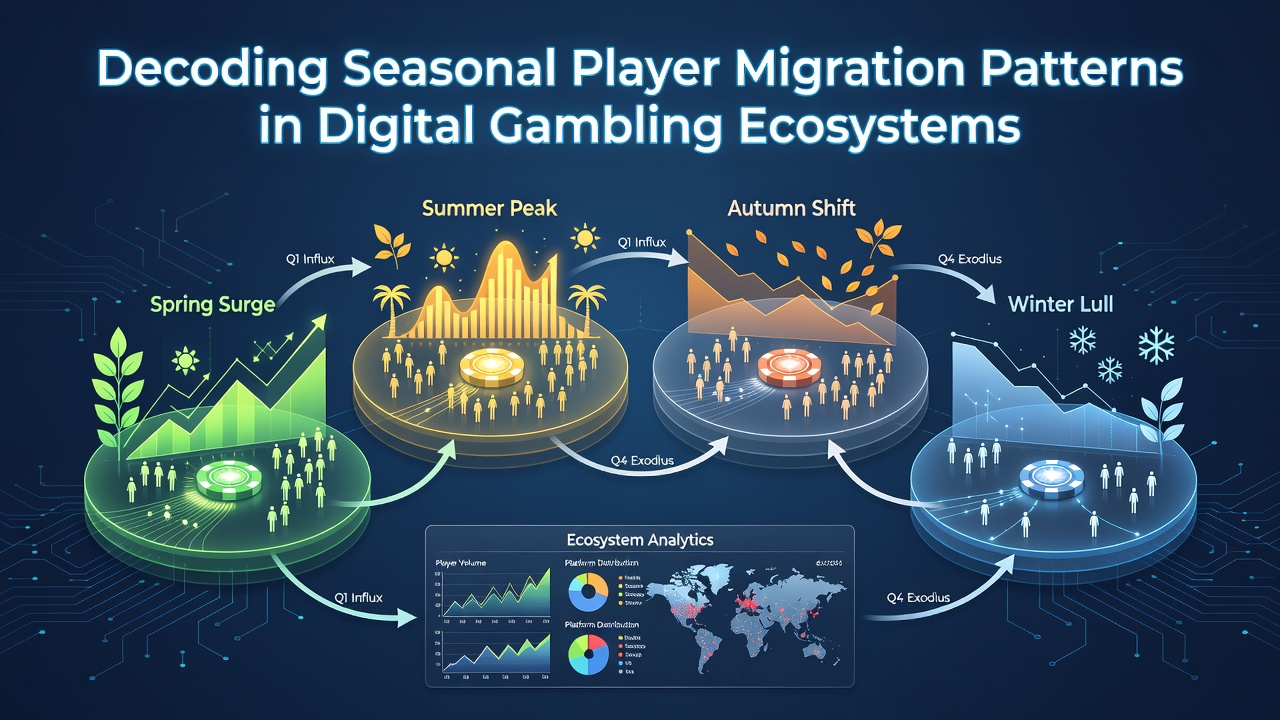
Digital gambling ecosystems show clear seasonal shifts in player activity, with users moving between game types, platforms, and devices as external factors change throughout the year. Data from industry monitoring services indicate that these migrations follow predictable cycles tied to weather patterns, sports calendars, and holiday schedules, creating measurable flows that operators track through registration logs and session analytics. Researchers at academic centers have documented how participation rates in certain categories rise or fall in response to these rhythms, producing patterns that repeat across multiple years of collected figures.
Core Drivers Behind the Shifts
Weather conditions rank among the strongest influences on where and how people engage with online gambling platforms. Colder months often correlate with longer indoor sessions on desktop computers, while warmer periods push activity toward mobile apps as users travel or spend time outdoors. Sports seasons add another layer, with major events such as the NFL schedule or European football leagues drawing players toward live betting interfaces during fall and winter months. One study released by the University of Nevada's gaming research group tracked session data across several platforms and found that sports-related traffic increased by measurable percentages during peak event windows, then redistributed to slot and table games once those calendars ended.
Holiday periods produce distinct spikes as well. End-of-year celebrations coincide with higher deposit volumes and extended play sessions, while summer months show more fragmented activity as vacations interrupt regular routines. September 2026 marks a transitional point in this cycle, with post-summer returns to structured schedules prompting renewed engagement on platforms that offer routine-based promotions or loyalty features. Regulatory updates in various jurisdictions can accelerate or redirect these flows when new licensing rules alter available options for players in specific regions.
Regional and Platform Variations
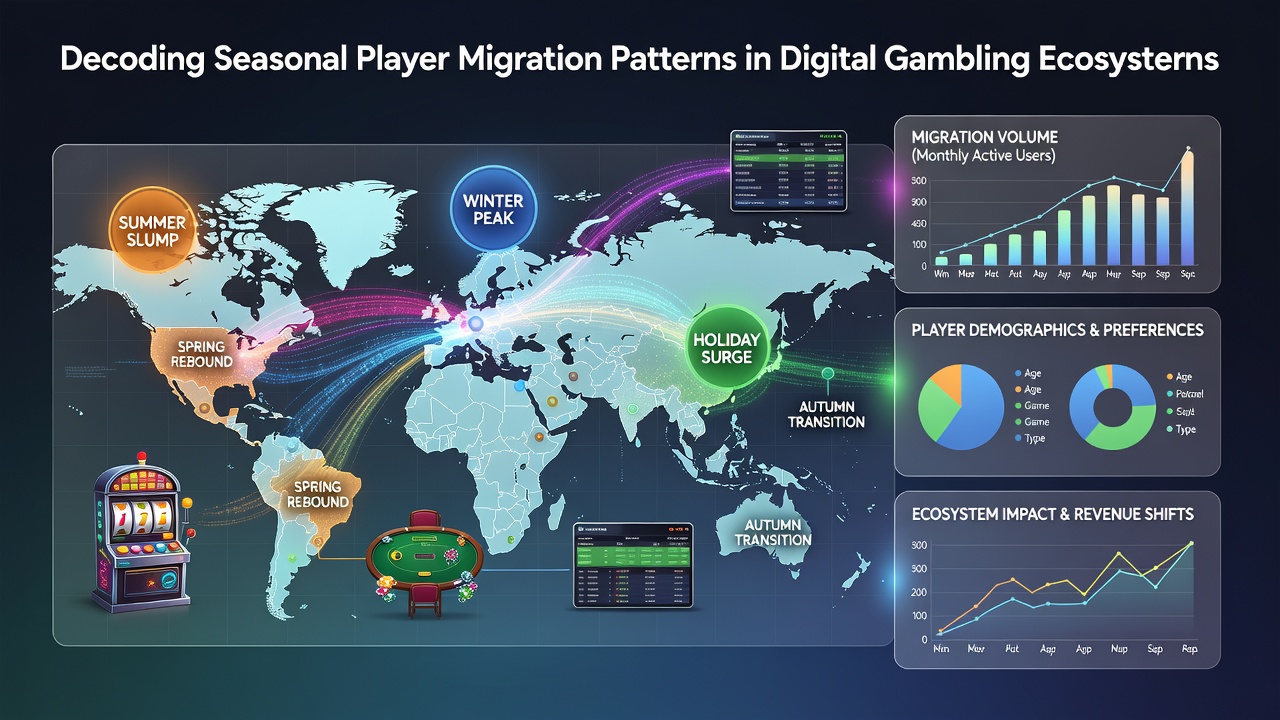
Different geographic markets exhibit their own seasonal signatures shaped by local climates and cultural events. In North American jurisdictions, data compiled by the New Jersey Division of Gaming Enforcement shows elevated mobile usage during summer travel months, whereas European markets tracked by the European Gaming and Betting Association display stronger desktop activity during extended indoor periods in northern countries. Platform design influences these movements too, since operators that optimize for both app and browser experiences retain users who switch devices seasonally.
Observers note that loyalty programs and bonus structures often guide the direction of migration when players seek out offers timed to particular months. For instance, platforms running sports-focused incentives during autumn see inflows from users who previously favored casino games, while those emphasizing slot tournaments attract participants during slower sports periods. These adjustments appear in aggregate statistics rather than individual accounts, yet the patterns remain consistent enough for predictive modeling.
Technological and Data Factors
Analytics tools now allow operators to detect migration signals earlier than before, using real-time indicators such as device type changes, session length variations, and game category transitions. Machine learning models trained on multi-year datasets improve accuracy in forecasting where player volumes will shift next, helping platforms adjust server loads and marketing campaigns accordingly. Those who have examined these systems report that cross-platform tracking reveals users maintaining consistent spend levels even as they move between different interfaces or game libraries.
Payment method preferences also follow seasonal lines in some markets, with certain digital wallets gaining traction during travel-heavy months when users need faster transaction options. Regulatory bodies in Canada and Australia have published reports noting how these preferences interact with overall participation rates, providing additional context for understanding broader ecosystem dynamics.
Conclusion
Seasonal player migration in digital gambling reflects a combination of environmental, cultural, and technological elements that produce recurring movement across platforms and game types. Figures collected over successive years demonstrate that these patterns remain stable enough to support operational planning, while external events such as regulatory shifts or major sporting calendars introduce temporary variations. Continued monitoring by research institutions and government agencies supplies the data needed to track how these flows evolve in coming periods.